Find Double Sided Sweden Flag Options for Events, Offices, and Outdoor Displays
Browse 30 double sided sweden flag listings from polyester national flags to desk, hand waving, and beach flag styles. Buyers can compare sizes such as 3*5ft and 90*150cm, printing methods including silk screen, 4-color, digital, and dye-sublimation, packing details, and customization availability before requesting quotes.
Key considerations
Products List




Comprehensive Sourcing Guide
Double Sided Sweden Flag Sourcing Guide
Sourcing double-sided Sweden flags requires a nuanced understanding of manufacturing capabilities, as the term often conflates distinct product categories such as desk flags, hand waving flags, and beach flags. While the supplied data explicitly lists "Sweden flag" and "Sweden table flag" alongside "Sweden hand waving flag," it does not explicitly confirm the existence of a double-sided variant in the provided attribute list. However, trusted category knowledge indicates that double-sided printing is a common customization option for polyester flags, particularly for desk and hand-held formats where visibility from both sides is desired for branding or national representation. Buyers must carefully distinguish between single-sided printed flags that may appear double-sided due to thin material translucency and true double-sided prints, which require specific dye-sublimation or digital printing processes to ensure clarity on both faces.
The procurement strategy for these items hinges on verifying the specific flag type and its intended application, as the structural requirements for a desk flag differ significantly from those of a hand waving flag or a beach flag. The observed product range includes desk flags with plastic or fiberglass poles, hand waving flags with specific packing densities, and beach flags that may utilize different pole materials. Each type presents unique challenges regarding double-sided printing quality, pole stability, and portability. For instance, a desk flag requires a stable base and a pole that allows the flag to rotate or remain fixed without tangling, while a hand waving flag prioritizes lightweight materials and ease of handling. Understanding these structural distinctions is critical before requesting quotes, as the manufacturing complexity and cost drivers vary substantially across these sub-categories.
Product Scope and Observed Listing Signals
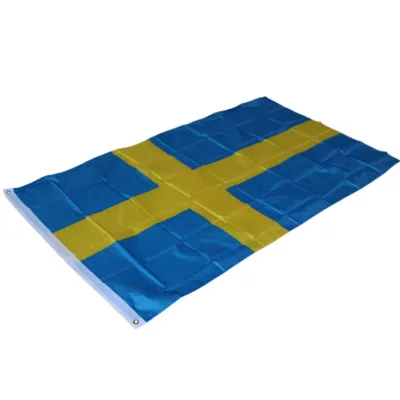
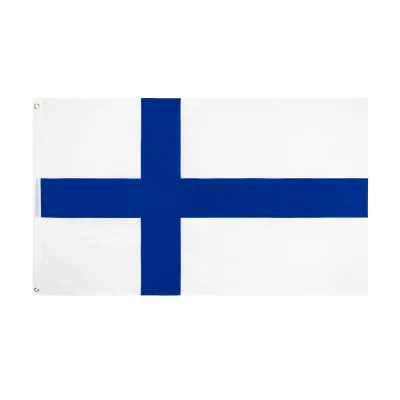
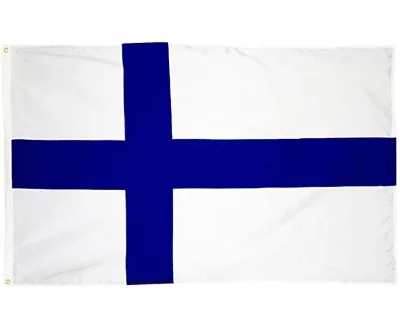
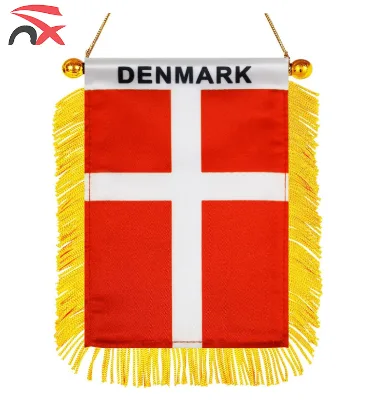
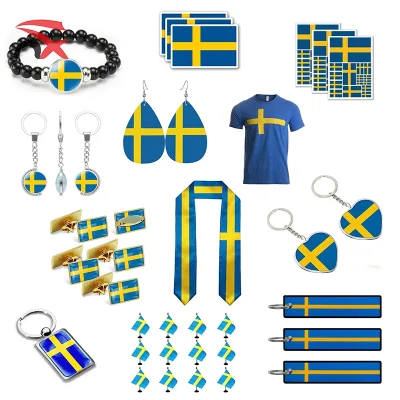
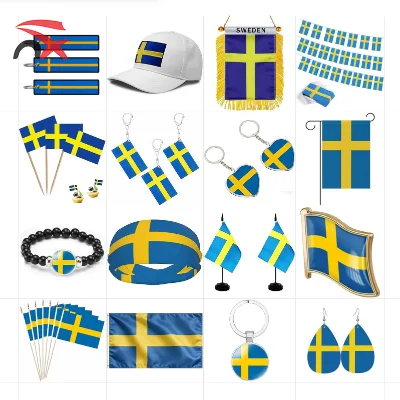
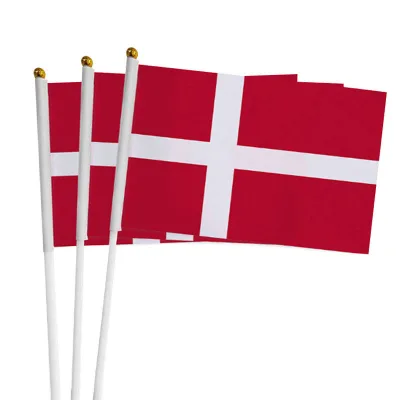
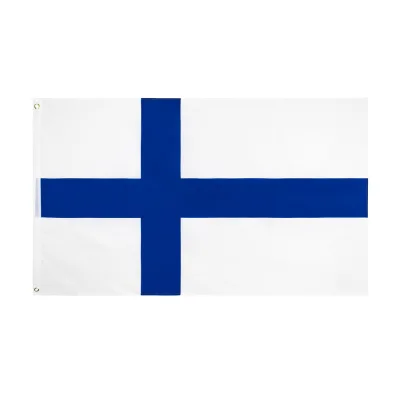
The observed market signals indicate a diverse range of flag products originating primarily from China, with specific mentions of Wenzhou and Zhejiang as production hubs. The data highlights several specific models, including the Sweden table flag, Sweden hand waving flag, and general Sweden flags, alongside other national flags like Denmark and Finland. This suggests that suppliers often operate as generalist flag manufacturers capable of producing various national designs rather than specialized vendors for a single country. The presence of "Customization: Available" and "Size: Customized" attributes confirms that buyers can tailor dimensions and designs, which is particularly relevant for double-sided flags where logo placement or specific flag proportions may need adjustment. Buyers should note that while the core keyword is the Sweden flag, the supplier ecosystem likely supports a broader portfolio of national and custom flags.
Packing specifications provide critical insights into the logistical footprint and potential unit costs associated with these products. The data reveals varying packing densities, such as 150 pieces per carton for one variant and 500 pieces per carton for another, with carton dimensions ranging from 47x32x40cm to 52x38x29cm. These variations impact shipping efficiency and storage requirements, especially for bulk orders. The gross weights listed, such as 13kg and 12kg per carton, further assist in calculating freight costs. For double-sided flags, the packing method must protect the printed surfaces from abrasion, often requiring individual opp bags or pole bags to prevent damage during transit. Buyers should evaluate whether the supplier’s standard packing aligns with their retail or distribution needs, as repacking may incur additional costs.
Technical Specifications to Verify
Material selection is the primary technical determinant for flag durability and print quality, with polyester identified as the standard material in the observed data. Polyester is preferred for its strength, colorfastness, and resistance to tearing, making it suitable for both indoor desk flags and outdoor applications. For double-sided flags, the fabric weight and weave density are crucial; lighter fabrics may allow light to pass through, reducing the contrast of the print on the reverse side, while heavier fabrics provide better opacity but may be less portable. Buyers should verify the specific GSM (grams per square meter) of the polyester to ensure it meets the intended use case, whether it is for a static desk display or a handheld event flag. The flagpole material, listed as plastic or fiberglass, also plays a role in the overall product integrity, with fiberglass offering greater flexibility and durability for outdoor use.
Printing technology significantly influences the visual outcome and longevity of the double-sided print. The observed data mentions silk screen printing, 4-color printing, digital printing, and dye-sublimation printing. Dye-sublimation is particularly relevant for double-sided flags as it infuses the ink into the polyester fibers, resulting in vibrant, fade-resistant colors that are visible on both sides of the fabric. Digital printing offers high resolution and is suitable for complex designs or small batches, while silk screen printing may be more cost-effective for large volumes but can result in a thicker ink layer that might affect the flag’s drape. Buyers must confirm which printing method is used for double-sided variants, as this affects the tactile feel and visual clarity of the flag. Additionally, the shape of the flag, whether square, rectangular, or customized, must align with the standard Swedish flag proportions or specific client requirements.
Compliance and Safety Documentation
Safety and compliance standards are essential for flags intended for public display or use in regulated environments. The observed data references SGS as a product standard, indicating that the supplier may adhere to specific quality and safety testing protocols. SGS certification often covers aspects such as material safety, chemical composition, and physical durability, which are critical for ensuring that the flag materials are free from harmful substances like lead or azo dyes. For double-sided flags, buyers should request specific test reports that verify the safety of the inks and dyes used in the printing process, especially if the flags are intended for use by children or in indoor settings where air quality might be a concern. Verifying these certifications ensures that the product meets international safety benchmarks and reduces liability risks for the buyer.
Environmental and ethical compliance is increasingly important in the sourcing of textile products. While the data does not explicitly mention environmental certifications, buyers should inquire about the supplier’s adherence to environmental management standards, such as ISO 14001, or their use of eco-friendly inks and dyes. The production of polyester flags involves chemical processes, and responsible suppliers will have measures in place to minimize waste and pollution. Additionally, buyers should verify that the supplier complies with labor standards and ethical sourcing practices, particularly given the concentration of production in specific regions like Wenzhou and Zhejiang. Requesting documentation on these aspects demonstrates a commitment to sustainable procurement and helps mitigate reputational risks associated with the supply chain.
Cost Drivers and Commercial Terms
The cost of double-sided Sweden flags is influenced by several key factors, including material quality, printing complexity, and order volume. The observed price range of $0.06 to $53.03 USD reflects the vast diversity in product types, from simple single-sided hand flags to more complex desk flags with poles and bases. Double-sided printing typically incurs a premium due to the additional processing required to ensure clarity and durability on both sides. Buyers should expect higher unit costs for double-sided variants compared to single-sided ones, particularly if dye-sublimation is used. The MOQ (Minimum Order Quantity) ranges from 1 to 5000 pieces, offering flexibility for both small-scale and bulk purchases. However, smaller orders may carry higher per-unit costs due to setup fees for printing and assembly.
Commercial terms such as payment methods, delivery times, and shipping options are critical components of the procurement agreement. The data indicates that delivery can be arranged via DHL, TNT, FedEx Express, air, or sea freight, providing options for different urgency levels and budget constraints. Sea freight is generally more cost-effective for large volumes, while express courier services are suitable for urgent, smaller orders. Buyers should clarify the Incoterms (e.g., FOB, EXW, CIF) to understand who is responsible for shipping and insurance costs. Additionally, payment terms, such as T/T or L/C, should be negotiated based on the order size and the supplier’s creditworthiness. Understanding these commercial terms helps in accurately calculating the total landed cost and managing cash flow effectively.
Supplier Qualification and Quality Control
Supplier qualification is a vital step in ensuring the reliability and consistency of double-sided Sweden flag orders. Buyers should verify the supplier’s manufacturing capabilities, including their experience with double-sided printing and their ability to handle customization requests. The observed data mentions a brand name, "Nuoxin," and a model number, "nx62," which can be used to trace specific product lines and assess the supplier’s product range. Buyers should request samples to evaluate the print quality, material durability, and overall construction of the flags. Sampling allows for a direct assessment of the supplier’s ability to meet the buyer’s specifications before committing to a larger order. Additionally, verifying the supplier’s business license and export history can provide insights into their operational stability and market reputation.
Quality control processes should be clearly defined and agreed upon before production begins. Buyers should inquire about the supplier’s QC procedures, including in-line inspections and final random inspections. For double-sided flags, specific checks should include verifying the alignment of the print on both sides, the absence of defects such as bleeding or misalignment, and the integrity of the pole and base attachments. Establishing clear acceptance criteria and defect tolerance levels helps in maintaining consistent product quality. Buyers may also consider hiring third-party inspection services to conduct pre-shipment inspections, providing an additional layer of assurance. Effective quality control minimizes the risk of receiving substandard products and reduces the likelihood of disputes or returns.
Long-Term Procurement Checks
Long-term procurement success depends on establishing a robust supplier relationship and implementing continuous improvement mechanisms. Buyers should conduct regular performance reviews based on metrics such as on-time delivery, product quality, and responsiveness to issues. Maintaining open communication channels with the supplier facilitates the resolution of any problems that may arise during production or delivery. For double-sided flags, staying updated on new printing technologies and material innovations can help in identifying opportunities for cost savings or product enhancements. Buyers should also monitor market trends and competitor offerings to ensure their product selection remains competitive. Building a strong partnership with a reliable supplier can lead to better pricing, priority production, and access to exclusive designs.
Risk management is an essential aspect of long-term procurement, particularly for products sourced from international suppliers. Buyers should diversify their supplier base to mitigate the risk of supply chain disruptions, such as those caused by geopolitical events or natural disasters. Additionally, securing intellectual property rights for custom designs and logos is crucial to prevent unauthorized replication. Buyers should include clear clauses in their contracts regarding confidentiality and IP protection. Regularly reviewing and updating procurement policies and supplier agreements ensures that they remain aligned with the buyer’s evolving needs and regulatory requirements. By proactively managing risks and fostering strong supplier relationships, buyers can secure a stable and efficient supply of double-sided Sweden flags for their market.
FAQs
What printing methods are available for Sweden flags?
Available printing methods include silk screen printing, 4-color printing, digital printing, and dye-sublimation printing. These options allow for detailed national flag designs on polyester materials suitable for various flag types like desk, hand, and beach flags.
Can I customize the size and shape of the flag?
Yes, customization is available for both size and shape. While some models come in standard sizes like 3x5ft or 90x150cm, you can request customized dimensions and shapes such as square or rectangle to meet specific display requirements.
Which materials are used for the flag and pole?
The flag material is typically polyester, ensuring durability for outdoor display. Flagpole materials vary by product type, with options including plastic, fiberglass, or no pole depending on whether you select a desk, hand, or beach flag model.
What is the minimum order quantity for these flags?
The minimum order quantity ranges from 1 to 5000 pieces depending on the specific product model. Some items like the Finland flag have a stated MOQ of 100 pieces, while other configurations may allow for smaller or larger bulk orders.
Where are these Sweden flags manufactured and shipped from?
These flags originate from manufacturing locations in Wenzhou and Zhejiang, China. Products are packed in cartons with specific dimensions and weights, and delivery is arranged via DHL, TNT, FedEx, air, or sea freight to global export markets.
Are the flags waterproof and suitable for outdoor use?
Yes, the flags feature waterproof characteristics making them suitable for outdoor display applications. They are designed to be portable and durable, ensuring they withstand various weather conditions while maintaining the quality of the printed national flag design.